
Northeast Tennessee Tree Species Guide
Identification, common issues, and care recommendations for the species we work on every day across the Tri-Cities region.
The Trees We Work On Every Day
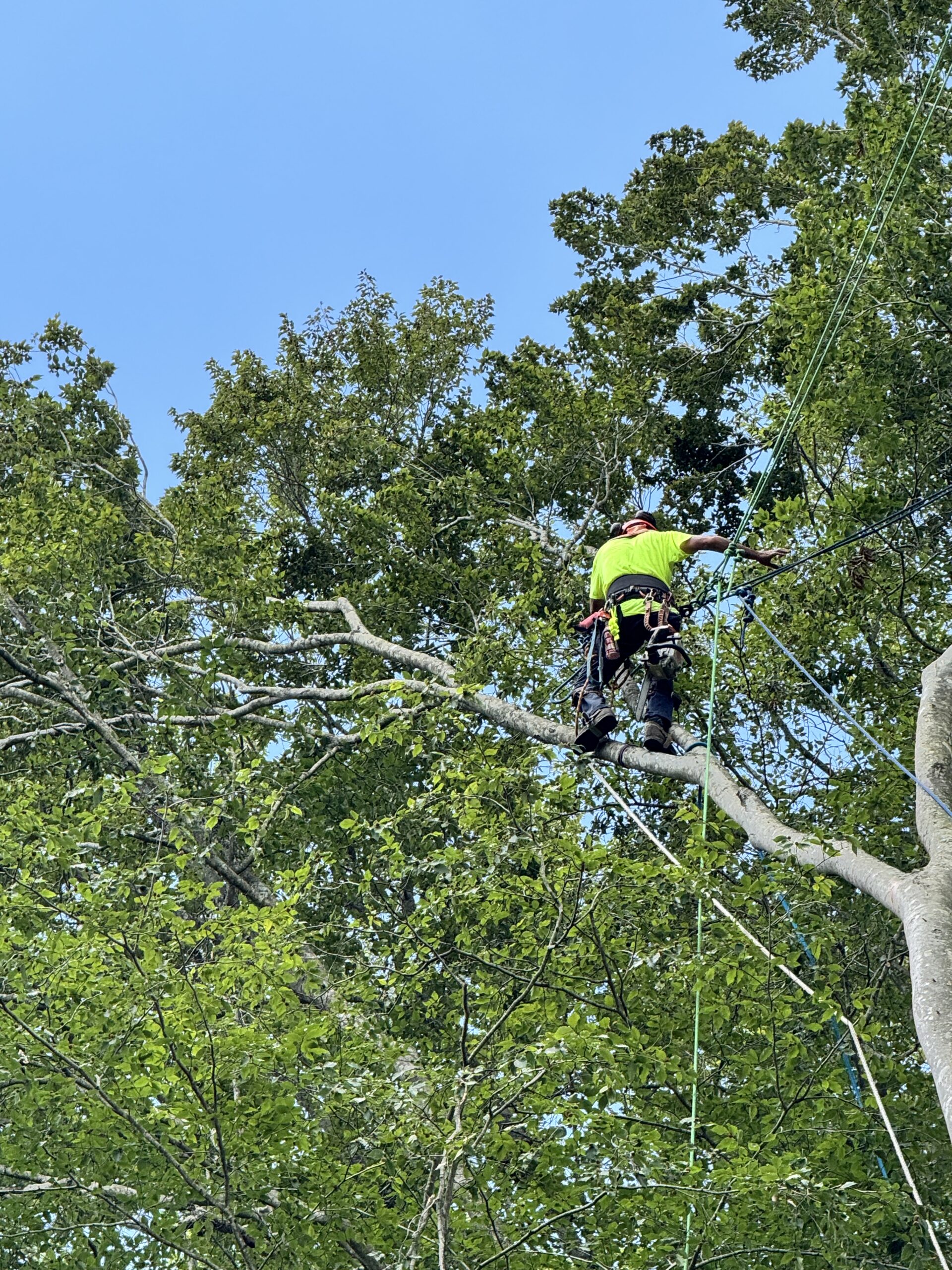
Northeast Tennessee’s Appalachian foothill terrain supports a wide mix of hardwoods and evergreens, from mature oak and tulip poplar canopies in established neighborhoods to hemlock and white pine along the forest edge near Erwin and Unicoi. Shane Williams, an ISA Certified, TRAQ-qualified arborist, evaluates each species on its own condition rather than a one-size answer. Below are the species we most commonly encounter across our Northeast Tennessee service area.
Common Species
Full identification cards for each species below, covering identification, wildlife value, and the issues we actually see in the field.
White Oak (Quercus alba)
Native to Tennessee · Slow growth rate · Typical mature height 80–100 ft with a spread of 50–80 ft
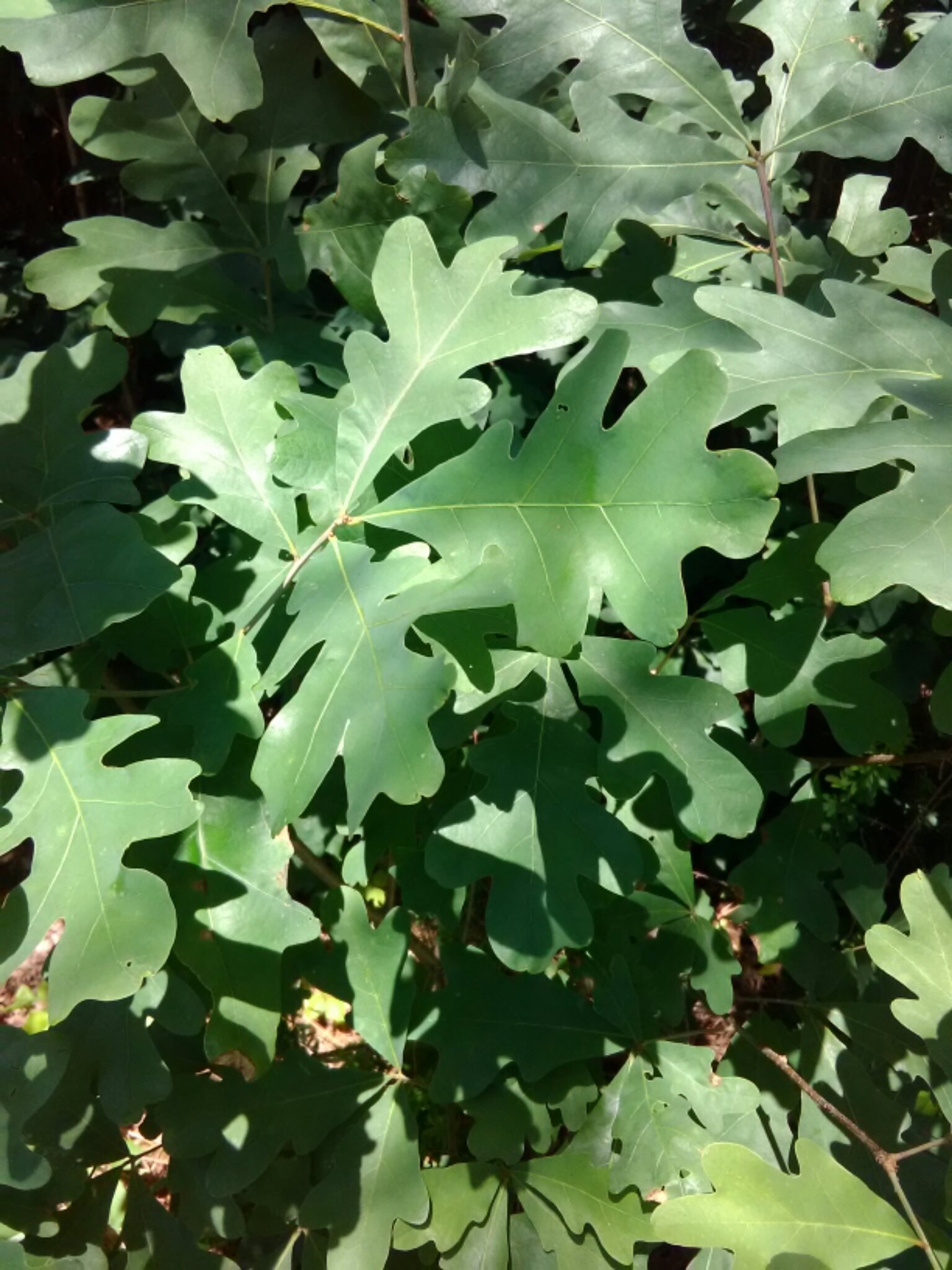
One of the largest, longest-lived hardwoods in our region — a healthy white oak can live well past 300 years, and mature specimens are common in older Johnson City and Jonesborough neighborhoods.
Identification
- Leaves: 4–7 in. long with 7–9 rounded lobes (no bristle tips, unlike red oaks); light green, turning wine-red to brown in fall
- Bark: Light gray, breaking into long, broad, scaly plates as the tree matures
- Buds: Small, reddish-brown, broadly oval, smooth (not fuzzy)
- Acorns: Mature in a single season (unlike red oaks, which take two); a key food source through fall and winter
Seasonal interest: Deep wine-red to russet fall color, often holding leaves later into the season than other hardwoods. Wildlife value: Acorns are a critical food source for deer, turkey, and squirrels throughout the Tri-Cities region.
What We See in the Field
White oaks have a deep taproot and genuinely strong wood, which makes them more storm-resistant than fast-growing species like silver maple or Bradford pear once established — whole-tree failure is uncommon. The issues we actually see are usually in older, declining specimens: deadwood accumulation in the upper crown, included bark at co-dominant unions from trees that were never structurally pruned when young, and slow decline from root compaction on properties where construction or grading disturbed the root zone years earlier. White oaks are also notoriously difficult to transplant due to that taproot, so most of what we manage are established, mature trees rather than new plantings.
Common Services We Perform
Crown cleaning and deadwood removal, structural pruning on younger co-dominant trees, and TRAQ-qualified risk assessment for large, mature trees near homes or driveways. Removal is a last resort for this species given how long they take to replace.
Tulip Poplar (Liriodendron tulipifera)
Tennessee’s state tree · Fast growth rate · Typical mature height up to 150–200 ft — the tallest hardwood in the eastern U.S.
Straight, single-trunk growth and rapid height make this one of the most recognizable trees in older Northeast Tennessee neighborhoods, often towering well above the surrounding canopy.
Identification
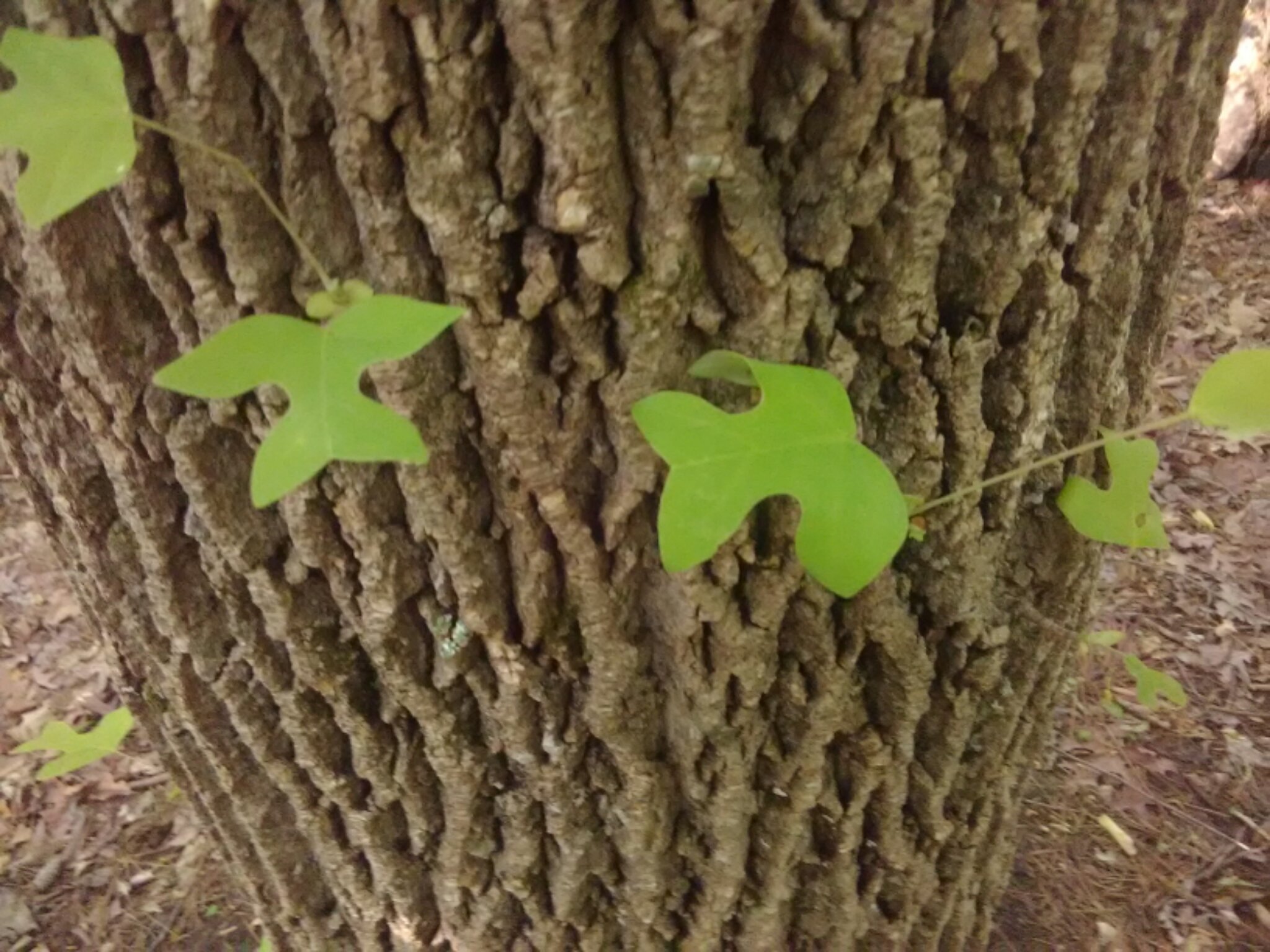
- Leaves: Distinctive 4-lobed, tulip-shaped, 4–8 in. long with a flat or notched tip, turning bright gold in fall
- Flowers: Yellow-green and orange, genuinely tulip-shaped, but bloom 50+ ft. up in the canopy and are easy to miss from the ground
- Bark: Brown, furrowed, aromatic
- Growth habit: Long, clear, straight trunk with a narrow crown that broadens with age
Wildlife value: Flowers are a major nectar source for bees (including honeybees) and hummingbirds; seeds feed cardinals, finches, and squirrels through winter.
What We See in the Field
Fast growth means comparatively softer wood than an oak or hickory, so wind and ice damage to upper limbs is the most common issue we see, especially on trees with co-dominant stems that were never structurally pruned. Vines — wild grape, and in some areas invasive honeysuckle or kudzu — can also weigh down and distort younger trees. Because these trees get genuinely tall, risk assessment near homes and driveways matters more here than with smaller species.
Common Services We Perform
TRAQ-qualified risk assessment given the height and proximity to structures common with this species, crown cleaning and deadwood removal, and occasional cabling on young co-dominant trees.
Sugar & Red Maple (Acer saccharum & Acer rubrum)
Native to Tennessee · Sugar maple: slow-growing, 90–120 ft, can live 300–400 years · Red maple: fast-growing, more adaptable, typically 80–100 years
Red maple is the most abundant tree species in North America and does best in yards and urban settings; sugar maple prefers richer, undisturbed soil and is the source of maple syrup.
Identification
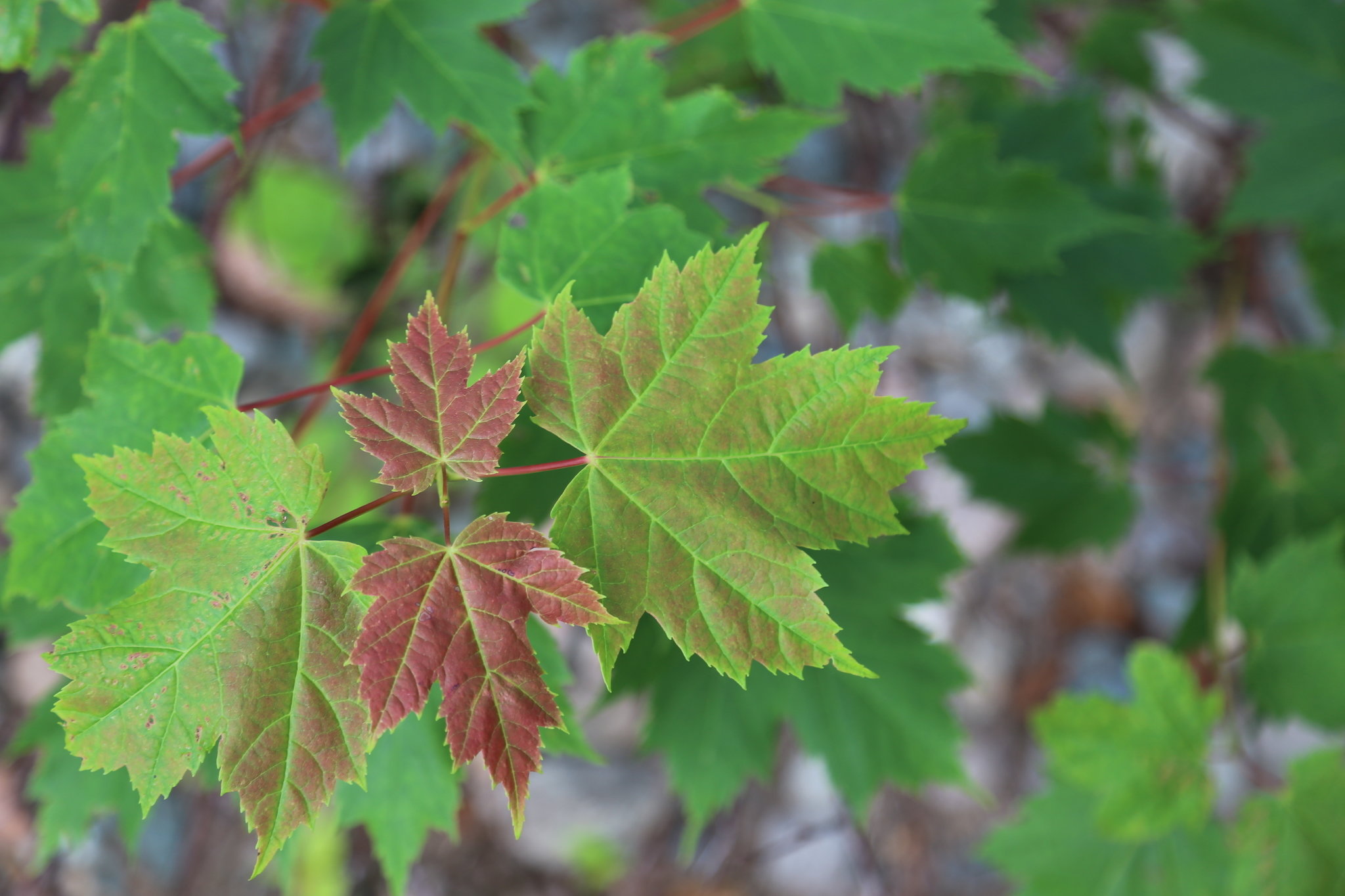
- Sugar maple leaves: Classic 5-lobed maple shape, U-shaped notches between lobes; brilliant orange-red fall color
- Red maple leaves: Smaller, more variable 3-lobed shape with serrated edges; red twigs and buds visible even in winter
- Bark: Sugar maple develops deeply furrowed gray-brown plates with age; red maple stays smoother gray longer
Wildlife value: Winged seeds (samaras) feed squirrels and birds; both species provide dense cover and are among the first to flower in late winter, an early nectar source for pollinators.
What We See in the Field
Red maple’s soft, “weak” wood (it’s classified as a “soft maple” commercially) makes it more prone to storm and ice damage than sugar maple, and weak branch unions from unpruned young trees are a common structural issue on both. Sugar maples in yards and along streets can also show stress from soil compaction, road salt, and heat reflected off pavement — not something they evolved to handle in their native forest understory.
Common Services We Perform
Structural pruning while trees are young to establish strong branch unions, deadwood removal, and risk assessment for large, mature red maples given the softer wood. Health monitoring for stressed urban sugar maples showing decline.
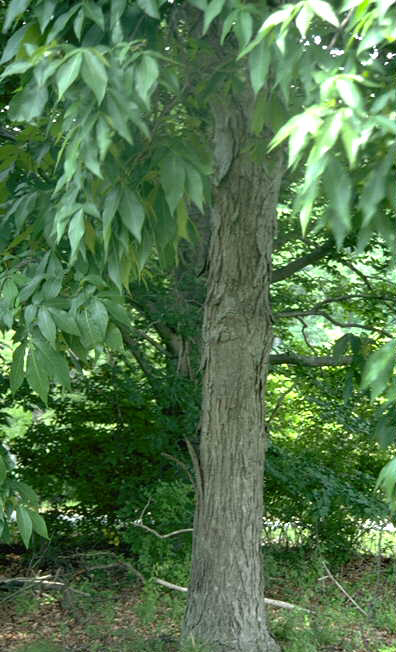
Shagbark Hickory (Carya ovata)
Native to Tennessee · Slow growth rate · Typical mature height 70–90 ft, sometimes over 120 ft
Unmistakable once mature, thanks to its shaggy, peeling bark. The tallest measured shagbark hickory on record is in Savage Gulf, right here in Tennessee, at over 150 ft.
Identification
- Bark: Gray, peeling away from the trunk in long, thick, curling strips — the single most reliable ID feature on mature trees
- Leaves: Compound, 8–14 in. long with 5 finely-toothed leaflets, turning golden-brown in fall
- Nuts: Round, thick-husked, splitting into 4 sections when ripe; sweet edible kernel inside
Wildlife value: Nuts are a favorite food of squirrels and larger birds; the hard, dense wood historically made it one of the best choices for tool handles and wheel spokes.
What We See in the Field
Hickories are slow to grow and slow to recover from damage, so we lean toward conservative pruning rather than aggressive crown reduction. Storm limb loss is the most common issue on mature trees, and because of that deep taproot, they’re difficult to safely transplant — nearly everything we manage is an established, mature tree. Heavy nut drop in a good year can also create a slip hazard on driveways and walkways, worth mentioning to clients even though it isn’t a tree health issue.
Common Services We Perform
Crown cleaning and deadwood removal, risk assessment on older, declining trees. Removal is reserved for genuine hazards, given how slowly this species is replaced.
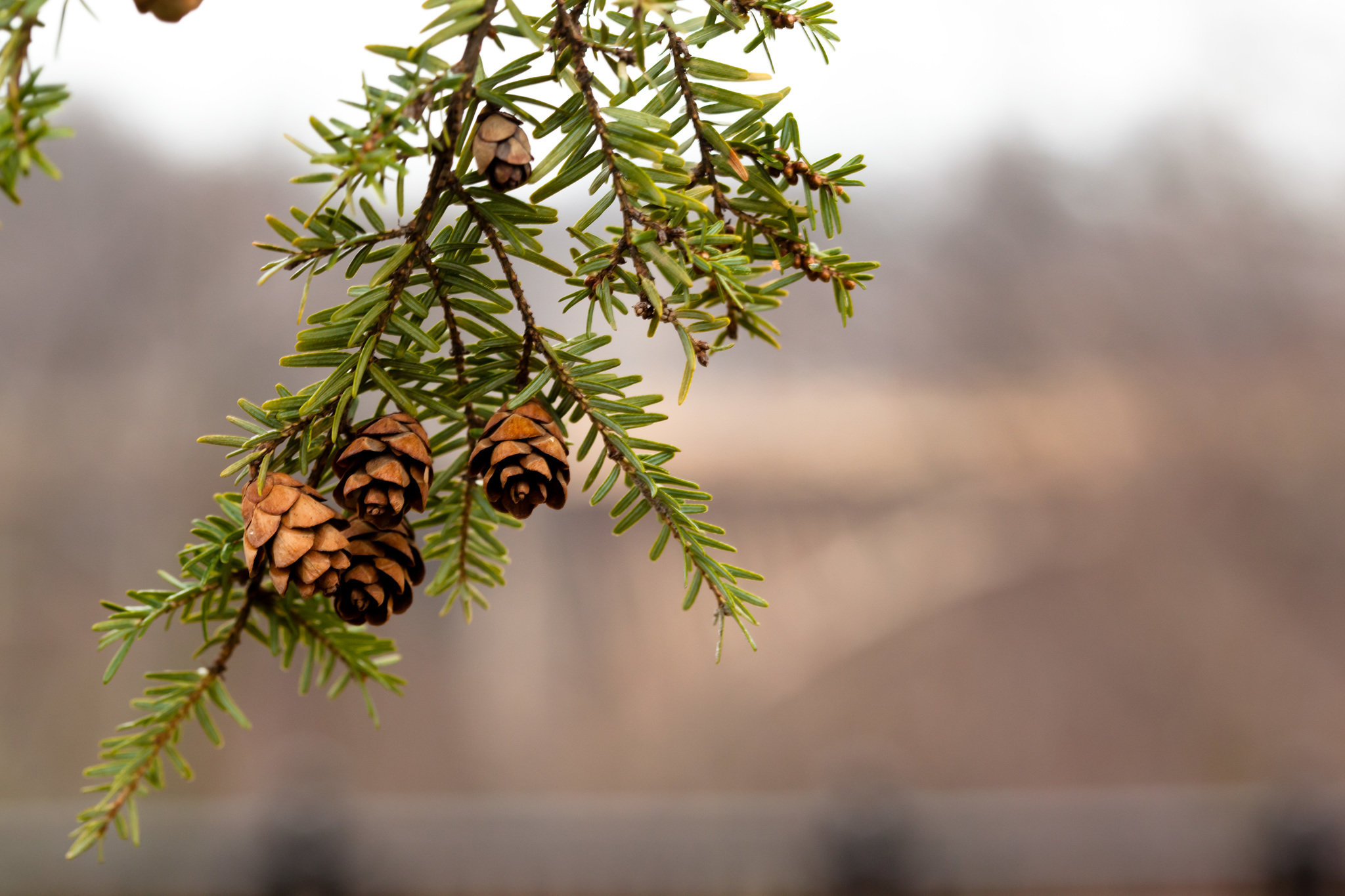
Eastern Hemlock (Tsuga canadensis)
Native to Tennessee · Slow-growing, shade-tolerant evergreen conifer · Can live 500+ years
Common in the cool, moist ravines and north-facing slopes near Erwin and Unicoi, with dense, drooping, feathery foliage that casts deep shade year-round.
Identification
- Needles: Short, flat, round-tipped, dark green above with two white bands underneath
- Bark: Reddish-brown to gray with long, flat ridges on mature trees
- Growth habit: Pyramidal form, drooping leader shoot, shallow wide-spreading roots
Wildlife value: Dense stands provide critical winter cover for deer and shelter for nesting songbirds; larger cavities are used by black bears as dens.
What We See in the Field
The dominant issue affecting hemlocks region-wide is the hemlock woolly adelgid, an invasive insect that has killed a significant number of hemlocks across the southern Appalachians, including areas of Northeast Tennessee. Specialized adelgid treatment itself falls outside the services we offer, but we do handle the structural side of the problem: removal of dead or structurally compromised hemlocks killed by infestation, and risk assessment on declining trees near homes or driveways where a standing dead hemlock becomes a genuine hazard.
Common Services We Perform
Risk assessment on declining or dead hemlocks, and removal when a tree has become a structural hazard. For adelgid treatment itself, we can point you toward a specialist.
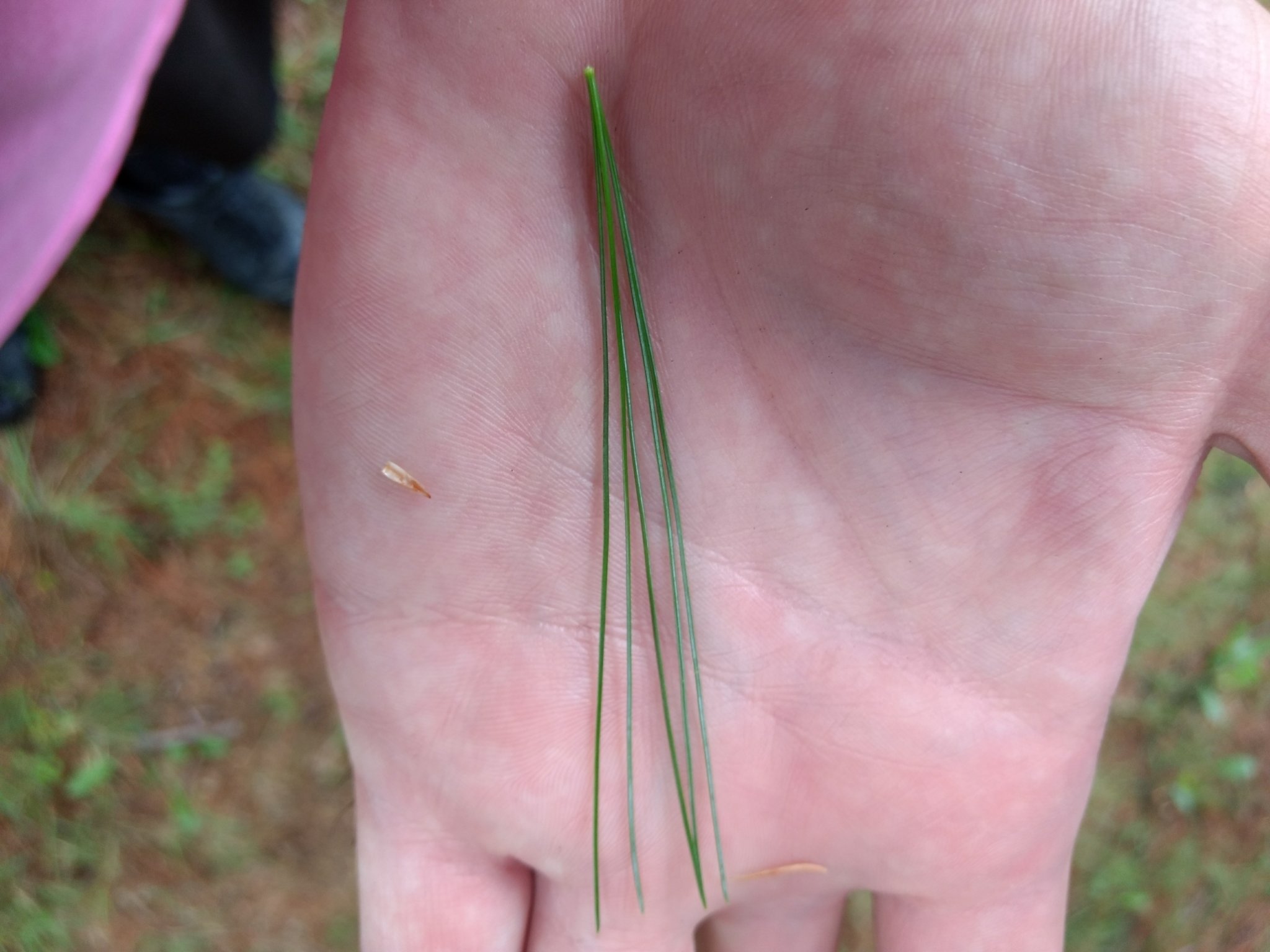
Eastern White Pine (Pinus strobus)
Native to Tennessee · Fast-growing, shade-tolerant conifer · Old-growth trees reach 150–180 ft, the tallest tree in the eastern U.S.
Easy to pick out along the forest edge near Erwin and Unicoi — soft, bluish-green needles in bundles of five give the foliage a distinctly fine, feathery texture from a distance.
Identification
- Needles: Soft, slender, in bundles of 5 — the only common pine in our area with 5 needles per bundle
- Cones: Long and cylindrical, 4–8 in., thin flexible scales
- Growth habit: Self-prunes lower branches in dense forest, often towering above the surrounding hardwood canopy
Wildlife value: A favorite nesting tree for bald eagles and mourning doves thanks to its height; cavities in older trees are used by woodpeckers and other cavity-nesting birds.
What We See in the Field
This species’ large size, self-pruning habit, and shallow, wide root system mean big branches can and do come down without much warning, especially during ice storms. It’s also genuinely intolerant of compacted soil and pollution, so trees stressed by nearby construction or heavy foot traffic are common in yards. Because of its height, risk assessment carries real weight here — these trees are often the tallest thing on a property.
Common Services We Perform
TRAQ-qualified risk assessment, crown cleaning, and storm damage cleanup after ice or wind events.
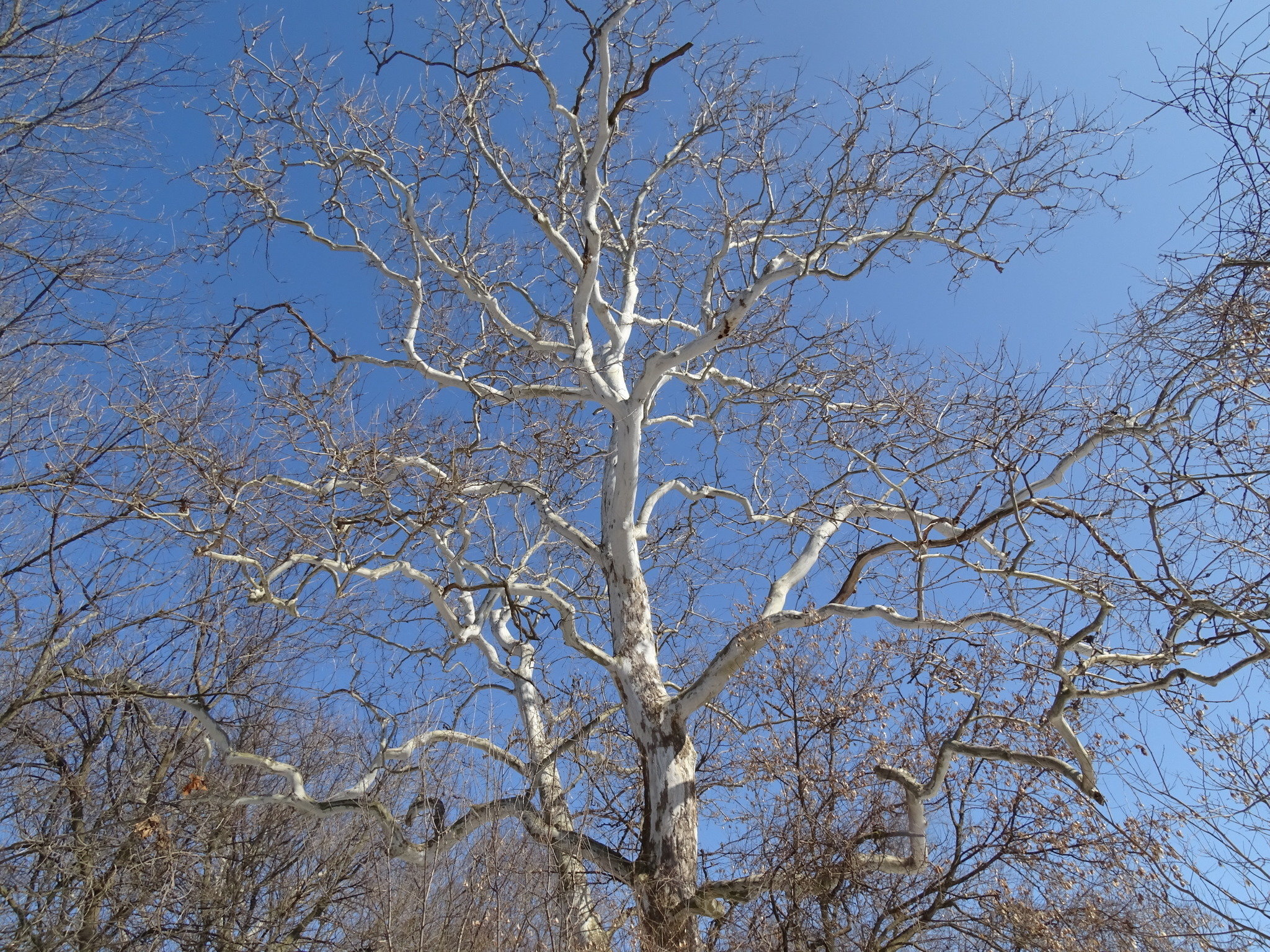
Sycamore (Platanus occidentalis)
Native to Tennessee · Fast-growing, long-lived · Typical mature height 75–100 ft, largest trunk diameter of any native eastern hardwood
Nearly impossible to mistake for anything else once you’ve seen its bark — a jigsaw-like patchwork of brown, green, and creamy white where the outer bark exfoliates away.
Identification
- Bark: Mottled brown-gray-white “camouflage” pattern, more pronounced higher up the trunk and on branches
- Leaves: Large, 3–5 lobed, maple-shaped, 4–9 in. wide
- Fruit: Round, spiky seed balls about 1 in. across, dangling on long stalks through winter
- Habitat: Almost always found near water — streambanks, floodplains, low-lying areas
Wildlife value: Older trees often develop hollow trunks, which become dens for black bears and nesting sites for owls, wood ducks, and chimney swifts.
What We See in the Field
Root instability is the biggest concern with sycamores near creeks and streambanks, since erosion can undercut the root system over time. The thin bark also makes mature trees vulnerable to mechanical damage, and the hollow trunks that make great wildlife habitat can also mean real structural risk that’s worth a professional look before assuming a big old sycamore is sound. Anthracnose, a fungal leaf disease, is common in cool, wet springs but is usually cosmetic rather than dangerous.
Common Services We Perform
Risk assessment, particularly for hollow or streambank-adjacent trees, crown cleaning, and storm damage cleanup.
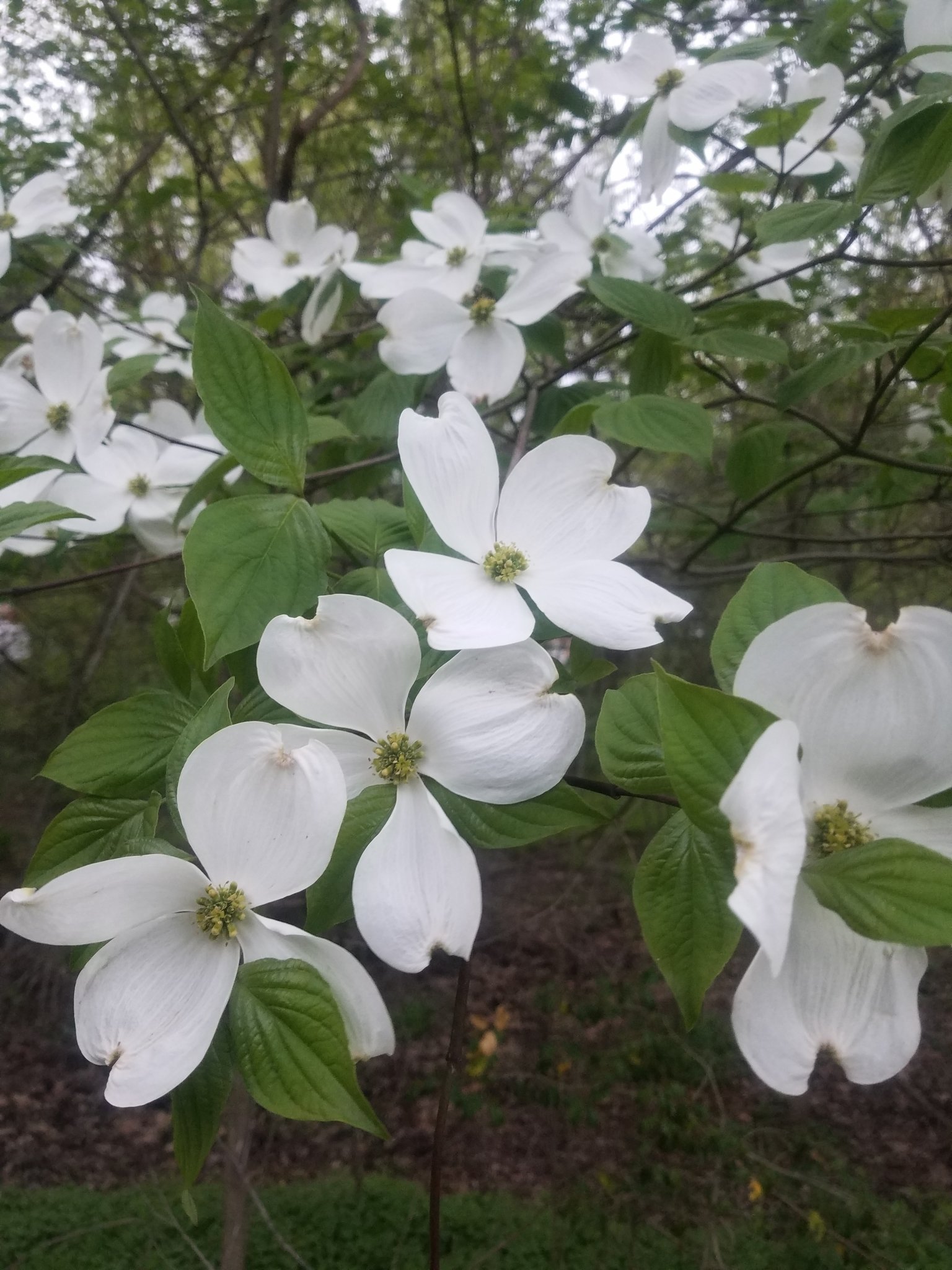
Dogwood & Redbud (Cornus florida & Cercis canadensis)
Native to Tennessee · Small understory trees · Typical mature height 15–30 ft
Two of Northeast Tennessee’s earliest and showiest spring bloomers, often planted together and blooming within weeks of each other.
Identification
- Dogwood flowers: Showy white 4-petaled bracts in early spring, surrounding tiny true flowers at the center
- Redbud flowers: Small magenta-pink, pea-shaped, blooming directly on bare branches and trunk before leaves appear
- Dogwood leaves: Oval, deep green, turning scarlet-red in fall; bright red berries follow the flowers
- Redbud leaves: Heart-shaped, appearing after the flowers
Wildlife value: Dogwood berries are high in fat and heavily used by migrating and overwintering birds; redbud flowers are an important early-season nectar source for native bees.
What We See in the Field
Dogwood anthracnose, a fungal disease, is the biggest threat to flowering dogwoods in our area, especially on trees stressed by drought or planted in full sun without enough moisture. Redbuds are more prone to canker, a bark disease that can girdle and kill branches or the whole trunk. Both species are understory trees by nature, so ones planted in exposed, full-sun yard settings tend to show more stress and shorter lifespans than ones with some afternoon shade.
Common Services We Perform
Structural pruning to maintain healthy form, health monitoring for anthracnose or canker, and deadwood removal. Given their small size, full removal is uncommon and usually reserved for trees that are already dead or severely diseased.
Which Species Are Common Where You Live?
Species distribution varies across our Northeast Tennessee service area — older neighborhoods around Johnson City and Jonesborough lean toward mature oak and tulip poplar, while properties near Erwin and Unicoi see more hemlock and white pine along the forest edge. Every one of our 19 service-area community pages includes a localized “Trees Commonly Found” table for exactly this reason.
Have a Concern About a Specific Tree?
If you’re seeing signs of decline, storm damage, or a structural issue on any of these species, our Tree Risk Assessment service is performed by a TRAQ-qualified ISA arborist who can offer on-site evaluation of that specific tree’s condition and risk.